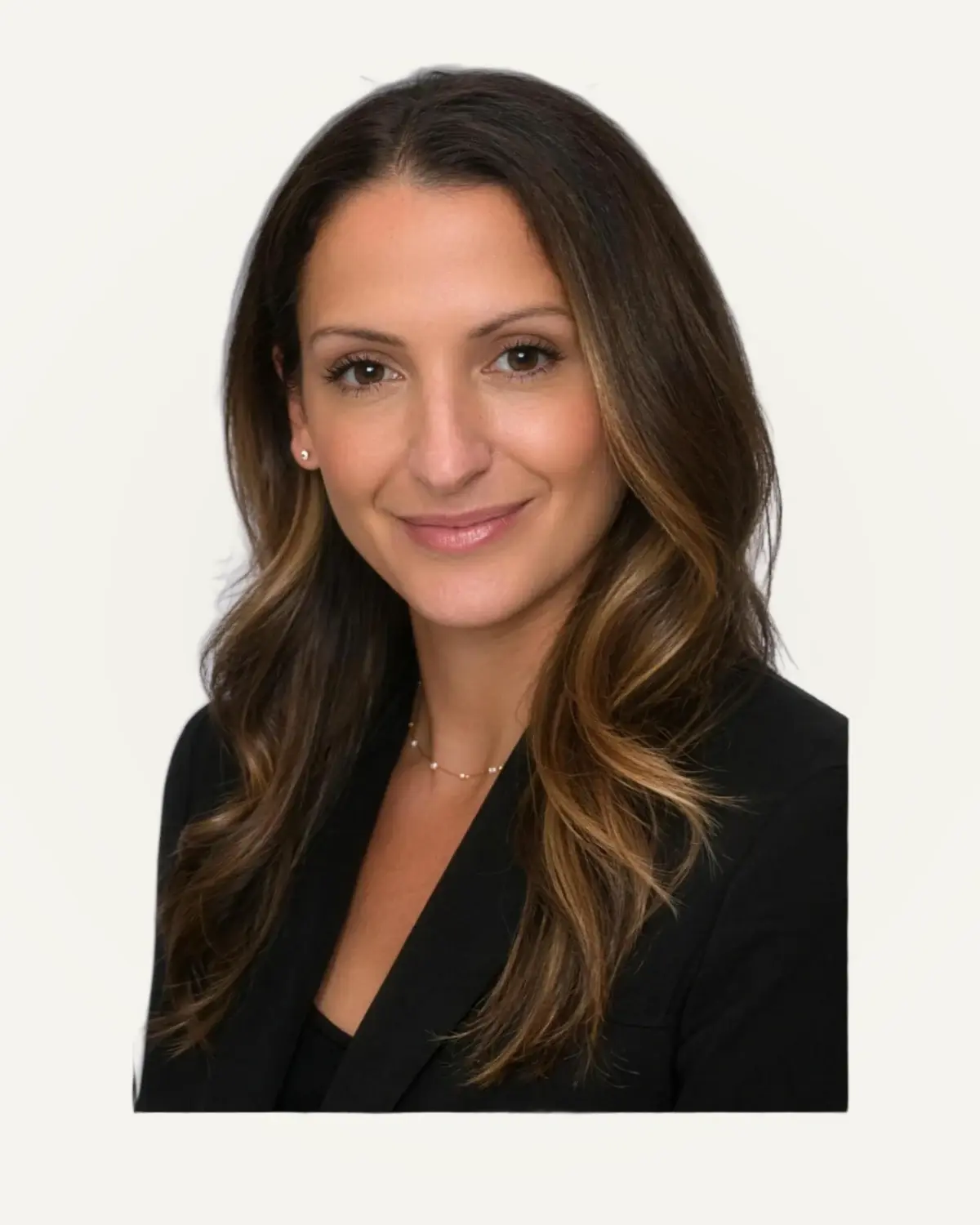
About Kanica Coshal
Kanica Coshal is a Registered Social Worker with over a decade of clinical experience. She is the kind of clinician clients tend to describe with two words that don't often go together: warm and rigorous. Sessions with her feel human, but you also leave with a clearer sense of where the work is going and what you'll be doing between sessions to get there.
Kanica came to social work from a starting point that shapes how she practices today. Early in her career, she worked in community mental health and hospital settings, where she saw first-hand what it looks like when people are stretched to their limits, by anxiety, by trauma, by the particular kinds of pressure that come from academic life or from carrying too much for too long without support. That experience left her with a deep respect for how much strength clients bring to therapy even in their hardest moments, and a corresponding commitment to a strengths-based practice.
Clinical Philosophy
Kanica's core clinical belief is that every client walks in with genuine capacities and strengths, and that effective therapy involves uncovering and building on those, not just cataloguing what's wrong. This isn't a soft or affirmational stance. It's an operational one: therapy is more effective when the clinician actively looks for what's already working in a client's life and treats those existing skills as the foundation the new work gets built on.
That framing is why Kanica's therapy tends to move. She'll help you name what's hard, but she'll spend equal time naming what's already true about how you cope, connect, and endure, and she'll design the work so those existing capacities carry more of the weight over time.
The other pillar of her practice is that shame is one of the biggest obstacles to treatment. Many of the presentations she works with, self-harm urges, OCD compulsions, patterns of trauma-driven avoidance, the "why can't I just get it together" internal narrative of adult ADHD, come laden with self-judgment. Kanica's approach explicitly works to reduce that shame, because the work of therapy simply cannot happen in a client's full presence when a significant part of them is trying to hide.
Clinical Approach
Kanica's clinical toolkit includes:
- Cognitive Behavioural Therapy (CBT), collaborative, skills-focused work with thoughts, behaviours, and emotional patterns
- Trauma-informed practice, ensuring the pace and nature of the work accounts for the impact of past experiences on present functioning
- Motivational interviewing, supporting clients who feel ambivalent about change or uncertain about where to begin
- Psychoeducation, helping clients understand the mechanisms behind their experiences, which often reduces shame and increases engagement
- Exposure-based strategies, used carefully and collaboratively, especially in OCD and anxiety work
- Safety planning, for clients managing self-harm urges or suicidal ideation, developed at each client's own pace and in a way that reflects their actual life
Areas of Focus
Anxiety and OCD. Kanica works with the full spectrum of anxiety presentations, from generalized worry, to panic, to obsessive-compulsive patterns. Her OCD work uses exposure and response prevention (ERP) informed principles when appropriate, but always at a pace determined collaboratively with the client. She has particular experience with clients whose anxiety has been reinforced by years of well-meaning avoidance from family or partners, and part of her work is often helping those support systems learn how to actually help.
Depression. Depression rarely arrives alone. It often coexists with relationship strain, occupational difficulties, unaddressed grief, or trauma that hasn't been processed. Kanica's approach to depression addresses both the immediate symptoms and the underlying maintaining factors. She works with the whole picture rather than just the mood complaint.
Trauma. Kanica is trained in trauma-informed practice and brings particular sensitivity to clients whose presenting concerns are rooted in adverse or traumatic experiences. She prioritizes safety and pacing as foundational to effective trauma work. She will not push a client to process trauma before that client is ready, and she is explicit with clients about what that pacing looks like so that consent to the work is genuinely informed.
Adult ADHD. Kanica understands that adult ADHD often carries years of internalized frustration and self-criticism. Her approach addresses both the practical challenges of executive function, task initiation, follow-through, time management, and the emotional weight that comes with a lifetime of "why can't I just, ". Many of her ADHD clients arrive already diagnosed and looking for the therapy layer to complement medication; others come uncertain and needing help navigating whether assessment makes sense.
Self-Harm and Suicidal Ideation. Kanica has substantial experience working with clients managing self-harm urges or thoughts of suicide. She approaches this work with care, collaboration, and a commitment to safety planning that genuinely reflects each client's circumstances, not templated forms. She holds the belief, backed by clinical evidence, that clients navigating these experiences deserve full-strength, non-anxious clinical presence, not dilution.
School, Academic, and Early-Career Stress. Students and early-career professionals navigating academic pressure, transitions, identity questions, and the specific texture of first jobs form a significant part of Kanica's caseload. She understands the particular pressure of high-achievement environments, and how quickly they can turn achievement into a coping mechanism that eventually stops working.
Relationship Difficulties. Kanica works with individuals navigating relationship strain, with partners, family, or self. This isn't couples therapy; it's individual work with someone who's found that their relationships have become a significant site of distress.
What a First Session Looks Like
Kanica's first sessions are, by design, low-pressure. She'll ask what brought you in, what you've tried, and what would be different in your life if this work went well. She'll ask about your current supports and stressors, and she'll be genuinely curious about what you already know about yourself.
You will not leave a first session with a diagnostic label thrown at you. You will leave with a shared, collaborative understanding of what seems to be going on, what the initial work would look like, and how you'd both know if it's helping. Kanica is explicit that therapy is a working alliance, and that alliance is built by both people showing up honestly. Her side of that includes being direct about what she thinks and why, not as an authority, but as a partner in the work.
Background and Registration
Kanica holds a Master of Social Work (MSW) and is a Registered Social Worker (RSW) in Ontario, a member in good standing of the Ontario College of Social Workers and Social Service Workers (OCSWSSW).
She brings over a decade of experience across community mental health, hospital, and private practice settings, a breadth that informs her ability to meet clients wherever they are, and to recognize when a presentation is better served by additional supports she can help coordinate.
Working with Kanica
Kanica sees clients both in person at the clinic's Yonge Street location in North York and virtually across Ontario. She offers a complimentary 15-minute consultation for new clients, an opportunity to talk about what you're navigating, ask questions, and figure out together whether her approach is the right fit.